2026 FIFA World Cup
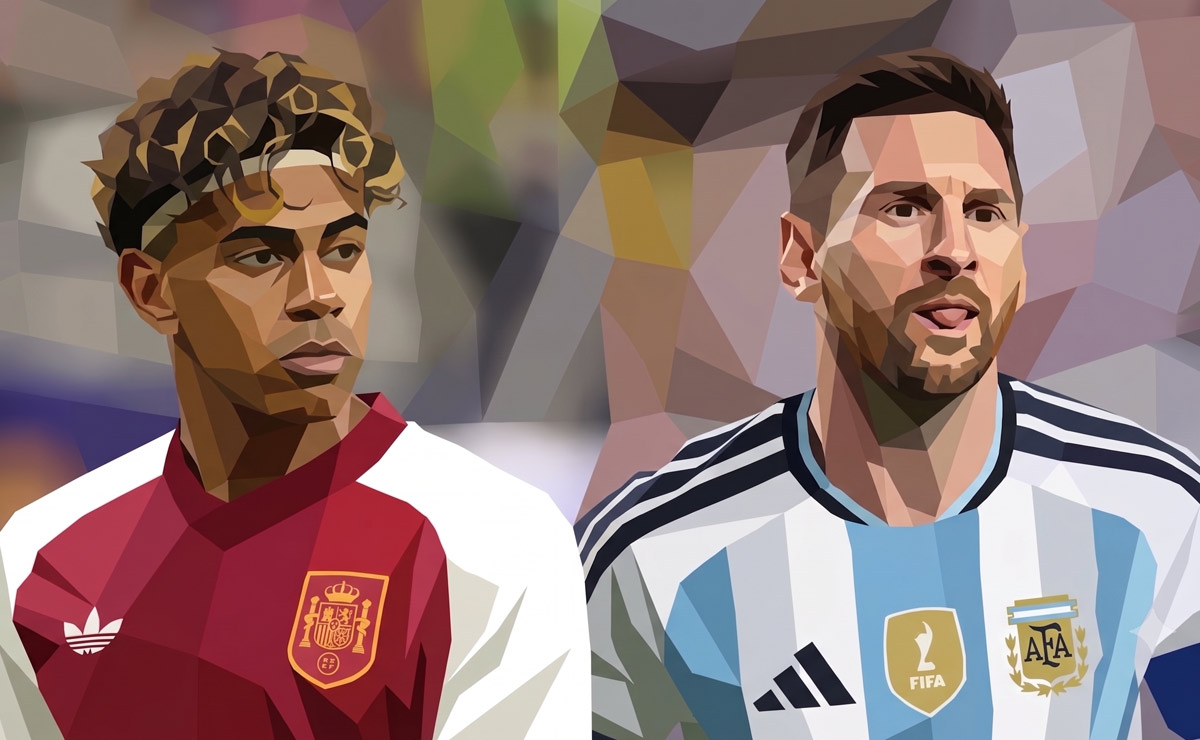
 Spain
Spain
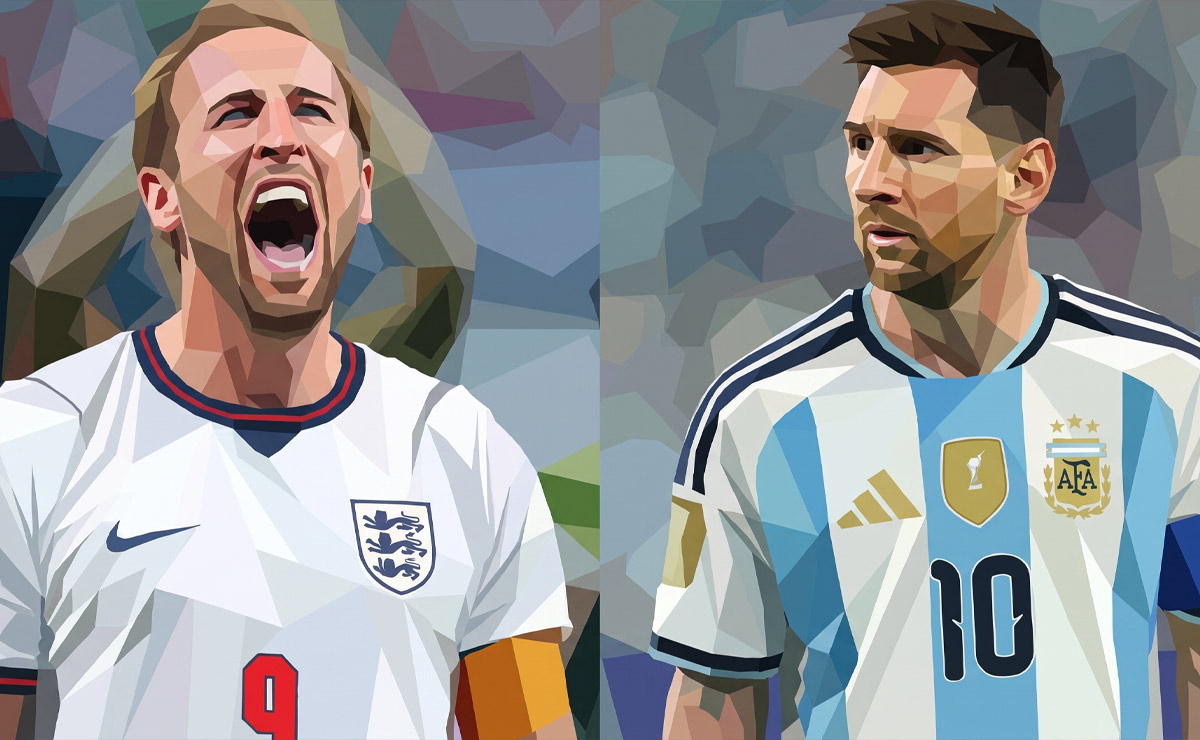
 Argentina
 England
Group Stage
Full Standings →


Knockout Stage
Round of 32
 South Africa
0
South Africa
0
 Canada
1
Canada
1
 Brazil
2
Brazil
2
 Japan
1
Japan
1
 Germany
1
Germany
1
 Paraguay
1
Paraguay
1
 Netherlands
1
Netherlands
1
 Morocco
1
Morocco
1
 Ivory Coast
1
Ivory Coast
1
 Norway
2
Norway
2
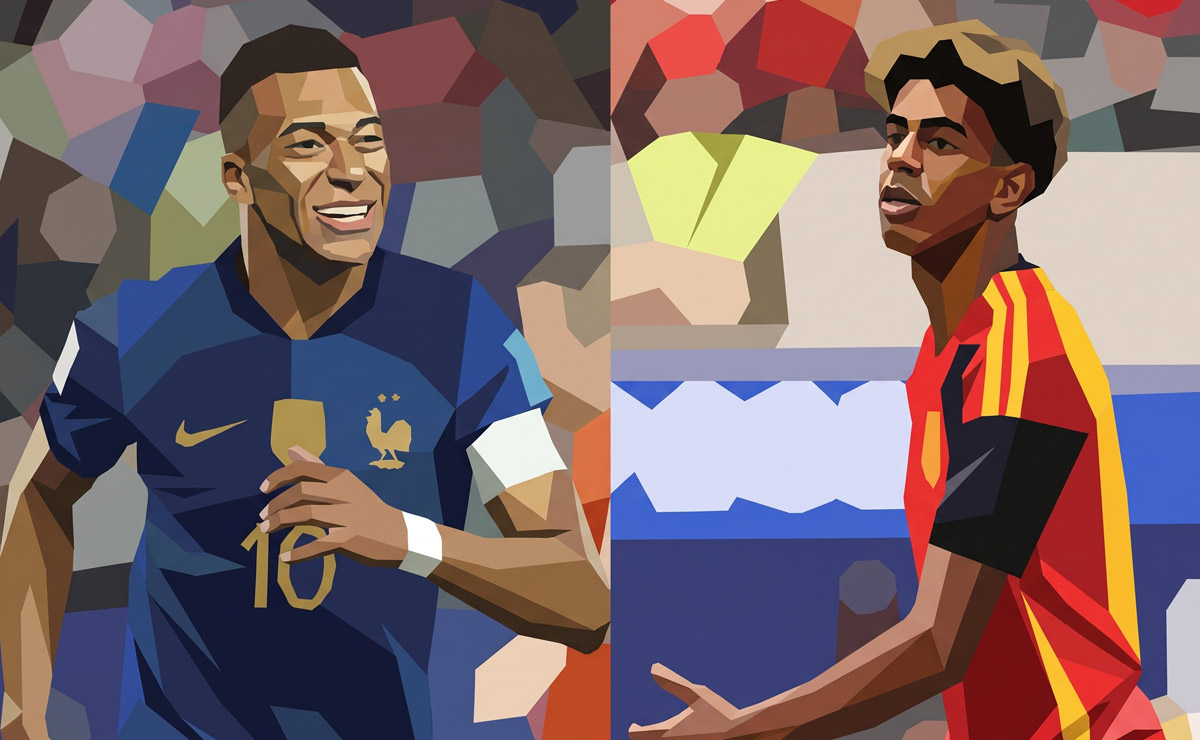
 France
3
France
3
 Sweden
0
Sweden
0
 Mexico
2
Mexico
2
 Ecuador
0
England
2
Ecuador
0
England
2
 Congo DR
1
Congo DR
1
 Belgium
3
Belgium
3
 Senegal
2
Senegal
2
 USA
2
USA
2
 Bosnia and Herzegovina
0
Bosnia and Herzegovina
0
 Portugal
2
Portugal
2
 Croatia
1
Spain
3
Croatia
1
Spain
3
 Austria
0
Austria
0
 Australia
1
Australia
1
 Egypt
1
Argentina
3
Egypt
1
Argentina
3
 Cape Verde Islands
2
Cape Verde Islands
2
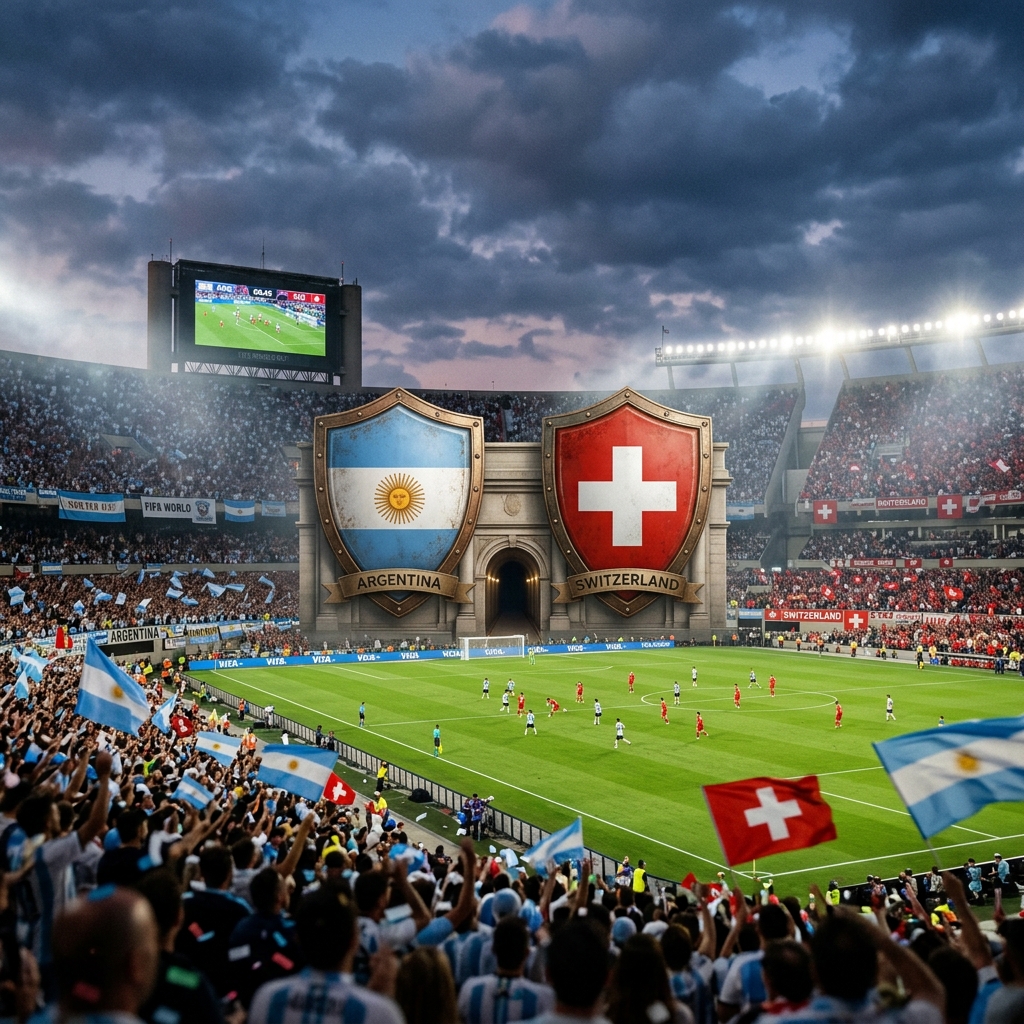
 Switzerland
2
Switzerland
2
 Algeria
0
Algeria
0
 Colombia
1
Colombia
1
 Ghana
0
Ghana
0
Round of 16
Semi-finals
3rd Place Final
Final
Tournament Overview
I have been tracking World Cup statistics since the tournament had sixteen teams and a final that fit inside a single stadium. Nothing in those decades of data quite compares to what the 2026 FIFA World Cup is producing — a tournament that arrived with the biggest field in history and has spent every day since justifying the scale of its own ambition.
The biggest World Cup in history is already rewriting the books
I have followed every World Cup since 1982, and I can say with confidence that nothing in the history of the tournament quite prepares you for the scale of what is unfolding right now. The 2026 FIFA World Cup is the largest, longest, and most logistically ambitious edition ever staged — 48 nations, 104 matches, three host countries, and 39 days of football that stretches from the heat of Mexico City to the Pacific coast of Vancouver.
For the first time, the tournament is spread across the United States, Canada, and Mexico simultaneously, with 16 host cities sharing a competition that no single country could absorb on its own. Twelve groups replaced the familiar eight, and with them came a set of group stage dynamics that have already produced drama, chaos, and results that no one predicted.
The new format also introduced a knockout mechanic that changes everything below the group winners and runners-up. Eight third-place finishers — the best among the twelve groups — earn passage to the round of 32, creating a last matchday tension across multiple groups at once that the old 32-team structure simply never delivered.
What that means in practice is a tournament where almost nothing is decided until the very last minute of the group stage. Across four weeks of football, we have already seen records shattered, giants stumble, and debut nations earn their place among the last 32. This is what a 48-team World Cup looks like in full flight — and it is extraordinary.
2026 World Cup group stage results who topped every group
Twelve groups, 48 nations, and three matchdays that delivered some of the most compressed and consequential football the tournament has ever seen. By the time the group stage closed on June 27, the picture was clear — though in several groups, it came down to the final whistle of the final match.
Group winners and runners-up
Some groups were settled early and comfortably. Argentina and France topped their respective groups with authority, dropping no points and conceding almost nothing. Brazil, Germany, and England followed a similar script — dominant from matchday one, through to the final group fixture with their spots already secured.
Others were far messier. Groups G, H, and I produced the most chaotic last matchdays of the entire group stage. In Group H, all four teams entered the final round still mathematically in contention. In Group G, Egypt and Belgium both needed results to confirm their places, while Iran and New Zealand were eliminated only on the final day. Group I saw Norway push France harder than anyone expected before the French eventually confirmed top spot.
The new tiebreaker system also came into play in more than one group. When points, goal difference, and goals scored between tied teams were all level, FIFA's official men's world rankings served as the final arbiter — a mechanism that had never been used at a World Cup before 2026 and that decided at least one third-place qualification spot in the final standings.
| Group | Winner | Runner-up | Third (qualified) | Eliminated |
|---|---|---|---|---|
| A | Mexico | South Africa | South Korea | Czechia |
| B | Switzerland | Canada | Bosnia and Herzegovina | Qatar |
| C | Brazil | Morocco | Scotland | Haiti |
| D | USA | Australia | Paraguay | Türkiye |
| E | Germany | Côte d'Ivoire | Ecuador | Curaçao |
| F | Netherlands | Japan | Sweden | Tunisia |
| G | Egypt | Belgium | — | Iran / New Zealand* |
| H | Spain | Cabo Verde | — | Uruguay / Saudi Arabia* |
| I | France | Norway | Senegal | Iraq |
| J | Argentina | Austria | Algeria | Jordan |
| K | Portugal | Colombia | — | Uzbekistan / DRC* |
| L | England | Croatia | Ghana | Panama |
The eight best third-place teams
The rule is simple in principle and brutal in practice. Of the twelve third-place finishers, only eight advance to the round of 32. Those eight are ranked by points first, then goal difference, then total goals scored, then disciplinary record, and finally FIFA rankings if everything else remains level. A team can finish third in their group, win two matches, and still go home because another third-place side scored one more goal across the tournament.
| Nation | Group | Points | GD | Goals scored | Status |
|---|---|---|---|---|---|
| Bosnia and Herzegovina | B | 4 | +2 | 4 | Qualified |
| Scotland | C | 4 | +1 | 3 | Qualified |
| Paraguay | D | 4 | +2 | 3 | Qualified |
| Ecuador | E | 4 | +1 | 3 | Qualified |
| Sweden | F | 4 | +1 | 2 | Qualified |
| Senegal | I | 4 | 0 | 2 | Qualified |
| Algeria | J | 4 | 0 | 1 | Qualified |
| Ghana | L | 3 | 0 | 2 | Qualified |
Note: standings reflect confirmed group stage data as of June 27. Goal difference and goals scored figures should be verified against the official FIFA match records before publication.
This is the angle that most coverage of the 2026 World Cup has glossed over entirely. Iran finished third in Group G with four points — the same tally as several teams that qualified — but their goal difference and goals scored placed them just outside the cut. South Korea, Türkiye, and Uruguay all finished third in their groups with figures that in previous tournaments would have ended their tournament, and in 2026, that is exactly what happened.
What the eight-best-third-place system does, above all else, is make every goal in every group match meaningful. A team already eliminated from winning their group has every reason to keep attacking, because one additional goal can be the difference between a round of 32 place and the flight home. That is new territory for World Cup football, and the 2026 group stage showed exactly how much it changes the texture of the competition.
Surprises of the 2026 World Cup who shocked the tournament
Every World Cup produces its shocks, but the expanded 48-team format has given more nations the platform to cause them. In 2026, that platform has been used to full effect — by debutants, by African sides written off before a ball was kicked, and by one two-time champion who should never have been going home this early.
Teams that went further than anyone expected
South Africa's run to the round of 32 is the story of the group stage. Bafana Bafana arrived in North America having qualified through a continent that sent nine teams to this tournament, and few outside their own supporters gave them a realistic chance of advancing. They beat South Korea, held their nerve on the final matchday, and reached the knockout stage of a World Cup for the first time since they hosted the tournament in 2010. The manner of it — built on defensive organisation, Teboho Mokoena's midfield control, and Hugo Broos's tactical discipline — made it all the more impressive.
Cabo Verde's achievement sits in a different category altogether. The island nation made their World Cup debut in 2026 and not only survived the group stage but advanced as runners-up in Group H ahead of Uruguay and Saudi Arabia. Goalkeeper Vozinha became one of the tournament's early cult figures. Whether they are the first debutant nation to reach the round of 32 in the 48-team era requires verification against historical records before publication — flag for the editorial team.
Egypt and Algeria both advanced from groups that contained genuine heavyweights, and both did so without apology. Egypt topped Group G ahead of Belgium, a side ranked comfortably above them entering the tournament. Algeria finished third in Group J behind Argentina and Austria but with enough points to claim one of the eight best third-place spots. Neither result was predicted by the pre-tournament consensus, and both reflect how the wider pool of competitive nations in world football has grown since 2022.
| Nation | Previous best result | 2026 result so far | Notes |
|---|---|---|---|
| South Africa | Round of 16 (2010) | Round of 32 | First knockout appearance since home tournament |
| Cabo Verde | Debut | Round of 32 | Runners-up in Group H on debut |
| Egypt | Round of 16 (1990) | Round of 32 | Topped Group G ahead of Belgium |
| Algeria | Round of 16 (2014) | Round of 32 | Advanced as best third-place from Group J |
| Australia | Round of 16 (2006) | Round of 32 | Consistent performer in new format |
| Bosnia and Herzegovina | Group stage (2014) | Round of 32 | Advanced as third-place qualifier |
Early exits that stunned the world
Uruguay's elimination in the group stage carries a historical weight that goes beyond a single bad tournament. La Celeste are two-time world champions, and finishing bottom of Group H — behind Spain, Cabo Verde, and Saudi Arabia on points — is the kind of result that will be discussed and debated in Montevideo for years. The last time Uruguay failed to advance from the group stage was in 2002 in South Korea and Japan. In the 48-team era, where qualification from the groups was supposed to be more accessible than ever, their exit is one of the most shocking results the tournament has produced in decades.
South Korea left the tournament in circumstances that extended well beyond the football. Their third-place finish in Group A — behind Mexico and South Africa — triggered fierce criticism from the country's president and prompted what the Korean press described as a national football crisis. The pressure on their squad and coaching staff during the group stage had been visible, and when South Africa confirmed their own advancement, South Korea's exit became a symbol of a programme at a crossroads.
Türkiye, Czechia, and Iran all arrived in 2026 with recent major tournament experience and squads capable of competing in the knockout rounds. None of them made it that far. Türkiye's exit was perhaps the most surprising of the three given the quality in their attacking line; Iran's elimination on the final day of groups, after accumulating four points, showed exactly how unforgiving the third-place ranking system can be.
| Nation | Group | Points | Why it shocked |
|---|---|---|---|
| Uruguay | H | 3 | Two-time champions out in groups for first time since 2002 |
| South Korea | A | 4 | Exit triggered national crisis and presidential criticism |
| Türkiye | D | 3 | Strong squad, attacking talent, gone without a knockout match |
| Czechia | A | 1 | Return to the World Cup after 20 years ended in group stage |
| Iran | G | 4 | Four points and still eliminated under third-place rankings |
Records broken and records that could fall at the 2026 World Cup
No World Cup in history has rewritten the record books at the pace this one has. By the time the group stage closed, we had already witnessed individual landmarks that may never be surpassed, a structural milestone ninety-six years in the making, and a host nation writing its name into the tournament's geography forever.
Records that have already fallen
On June 16, Lionel Messi became the oldest player in World Cup history to score a hat trick. The record alone would have been enough to define a tournament. Six days later, on June 22, he surpassed Miroslav Klose's all-time scoring record in a match against Austria — a mark that had stood since 2014 and that many believed would never be broken. Two records, one player, one group stage.
Cristiano Ronaldo added his own chapter on June 23, becoming the first man in the history of the competition to score in six different World Cup editions. His goal against Colombia in Group K connected 2006 to 2026 in a single moment, a thread of scoring that runs through five different decades of football and outlasted every other player who has ever competed in this tournament. The two great rivals of the modern game have both, within the same group stage, done something that will never require a footnote to explain.
The tournament itself reached its own milestone on June 20, when Tunisia faced Japan in what was confirmed as the 1,000th match in World Cup history. In the same set of fixtures, Cody Gakpo scored the competition's 100th goal of 2026 — a rate of scoring that is historically unprecedented at this stage of a tournament. The expanded format, the additional matches, and the competitive depth of a 48-team field have combined to produce football at a volume and intensity the World Cup has never seen before.
| Record | Previous mark | New record | Player/Nation | Date |
|---|---|---|---|---|
| All-time top scorer | 16 goals — Miroslav Klose (Germany) | Surpassed by Messi | Lionel Messi, Argentina | June 22 |
| Oldest hat trick scorer | To be verified pre-publication | Messi, age 38 | Lionel Messi, Argentina | June 16 |
| Goals scored across most editions | 5 editions — multiple players | 6 editions | Cristiano Ronaldo, Portugal | June 23 |
| 1,000th World Cup match | N/A — milestone | Tunisia vs Japan | Both nations | June 20 |
| 100th goal in a single tournament | Varies by edition | Reached in group stage | Cody Gakpo, Netherlands | June 20 |
| Longest World Cup ever | ~32 days (32-team era) | 39 days | 2026 tournament | June 11–July 19 |
| Most times hosting the World Cup | 2 times — Mexico, Brazil, Germany, Italy | 3 times | Mexico | 2026 |
Records that could still fall before the final
Messi enters the round of 32 as the all-time leading scorer in World Cup history and, if Argentina advance deep into the tournament, there is no ceiling on how far he can extend that record. Every goal he scores from here is uncharted territory — a number no player has ever reached before him. At 38, in a tournament where he has already shown he is not here merely to participate, writing off further additions to that tally would be a mistake.
Ronaldo's pursuit of history takes a different shape. Scoring in six editions is already done. What remains is the possibility of becoming the oldest player to score in the knockout rounds of a World Cup — a record with genuine emotional weight given that this tournament is widely understood to be his last. Erling Haaland and Kylian Mbappé, meanwhile, are running their own race entirely, chasing the Golden Boot in a tournament where goals are arriving at a rate the competition has rarely seen. The exact all-time record for total goals scored in a single World Cup edition should be verified against official FIFA records before publication — the 2026 pace suggests it may be under threat.
What makes this moment rare is that we are watching potential all-time records and active personal records converging in the same tournament at the same time. The round of 32 has not yet been played in full. The quarterfinals, the semifinals, and the final are still ahead. For any student of World Cup history, the next three weeks deserve the closest possible attention.
Who has qualified for the round of 32 and what comes next
Thirty-two nations remain. The group stage produced its shocks, its records, and its drama — and now the tournament enters the phase where every match is final, every mistake is permanent, and the margin between history and an early flight home collapses to ninety minutes.
Full bracket and upcoming fixtures
The round of 32 bracket pairs group winners against third-place qualifiers and runners-up against runners-up from different sections of the draw. What that produces in 2026 is a first knockout round unlike anything the World Cup has staged before — sixteen matches, every one of them elimination football, spread across six days and three countries.
| Match | Date | Venue | Result |
|---|---|---|---|
| South Africa vs Canada | June 28 | Los Angeles | TBC |
| Brazil vs Japan | June 29 | Houston | TBC |
| Germany vs Paraguay | June 29 | Boston | TBC |
| Netherlands vs Morocco | June 29 | Monterrey | TBC |
| Côte d'Ivoire vs Norway | June 30 | Dallas | TBC |
| France vs Sweden | June 30 | New York New Jersey | TBC |
| Mexico vs Ecuador | June 30 | Mexico City | TBC |
| England vs DR Congo | July 1 | Atlanta | TBC |
| Belgium vs Senegal | July 1 | Seattle | TBC |
| USA vs Bosnia and Herzegovina | July 1 | San Francisco | TBC |
| Spain vs Austria | July 2 | Los Angeles | TBC |
| Portugal vs Croatia | July 2 | Toronto | TBC |
| Switzerland vs Algeria | July 2 | Vancouver | TBC |
| Australia vs Egypt | July 3 | Dallas | TBC |
| Argentina vs Cabo Verde | July 3 | Miami | TBC |
| Colombia vs Ghana | July 3 | Kansas City | TBC |
Full bracket pairings and confirmed results should be verified against the official FIFA match schedule before publication. Several fixtures were still being confirmed at the time of writing.
The host nation factor adds another layer to the bracket. Mexico, the United States, and Canada all advanced from the group stage, and each carries the weight of a home support that has made every match in their respective countries feel different from a neutral venue. Whether that energy translates into knockout round progression is one of the tournament's most compelling open questions.
The most critical and exciting knockouts ahead
Argentina enter the round of 32 as the defending champions and, after Messi's record-breaking group stage, as the team the rest of the draw most wants to avoid. The bracket will eventually confirm their round of 32 opponent, but the identity of that opponent matters less than what Argentina have shown in the group stage — a squad built around protecting their captain and giving him the space and service to decide matches. In the knockout rounds, that combination has won this tournament before.
France arrive in the round of 32 with the most complete squad in the competition. Kylian Mbappé has been productive, Ousmane Dembélé has scored, and Didier Deschamps has rotated his squad without losing control of results. Their round of 32 match against Sweden — confirmed for June 30 at New York New Jersey Stadium — is the first real test of whether France's group stage discipline holds under knockout pressure. Sweden are not here to make up the numbers.
Brazil against Morocco is the intercontinental fixture that carries the most historical resonance in the round of 32. Morocco reached the semifinals in 2022 and are the highest-ranked African side remaining in the tournament. Brazil, without Rodrygo and with questions around Neymar's fitness throughout the group stage, have not looked invincible. The last time these two nations met at a World Cup was in the 2022 group stage — Morocco won. That result and date should be verified against historical records before publication.
Spain against Cabo Verde is the match the neutral wants most. A nation making their World Cup debut, having finished as runners-up in a group containing Uruguay, now faces one of the most technically sophisticated teams in the tournament. Cabo Verde goalkeeper Vozinha has already become one of the tournament's stories; Spain's possession-based structure is designed to make moments of individual brilliance irrelevant. Something will have to give, and whichever way it goes, the result will be remembered.
Portugal against Croatia is the last dance of two eras. Cristiano Ronaldo, fresh from scoring in a record sixth World Cup edition, faces Luka Modrić in what is widely understood to be both players' final appearance at this tournament. The fixture in Toronto has driven ticket prices on the secondary market above ten thousand dollars. Whether Portugal and Croatia have met previously in a World Cup knockout match should be verified against historical records before publication — include the relevant year and result if confirmed.
Who can win the 2026 World Cup the favorites heading into the knockouts
Sixteen teams remain, and the distance between the contenders and the rest has never been more visible than it is at the start of the knockout rounds. The group stage told us which squads have depth, which coaches have a plan, and which nations are here to win rather than simply to qualify.
The strongest contenders
France are the team I would least want to face in the knockout rounds. Their squad is the deepest in the tournament — not just in quality across the starting eleven, but in the options available from the bench. Mbappé has been unplayable in moments, Dembélé has contributed goals, and Deschamps has managed the group stage without exposing his best players to unnecessary risk. They have not yet been pushed. That is either a sign of control or a sign that the real test is still to come.
Argentina carry the defending champion's weight and the record-breaking captain's form in equal measure. No side in the tournament has a player performing at the level Messi reached during the group stage, and in knockout football, individual brilliance at the decisive moment is worth as much as any tactical system. The concern for Argentina is whether their squad — solid but not as deep as France or Germany — can sustain a run through four knockout matches without being exposed.
Germany were written off before this tournament after two successive early exits, and they have answered every question the group stage asked of them. Their defensive structure is compact, their transition play is sharp, and Florian Wirtz has been the best young player of the group stage. This feels like a Germany side that has remembered how to win at a World Cup — methodical, difficult to break down, and ruthless when the chance arrives.
Brazil remain in the conversation despite losing Rodrygo before a ball was kicked and managing Neymar's fitness carefully through the group stage. Their attacking talent is sufficient to win any single match at this tournament. The question is whether three or four consecutive knockout matches at this intensity exposes the limitations that the group stage, with its more forgiving structure, allowed them to conceal.
Dark horses worth watching
The Netherlands have been the most quietly impressive side of the group stage. Cody Gakpo scored the tournament's 100th goal and has been in the kind of form that wins Golden Boots, while Virgil van Dijk has commanded the Dutch defensive line with an authority that makes them extraordinarily difficult to score against. They have not dominated headlines, but they have won matches and kept clean sheets. At a World Cup, that combination tends to last longer than anyone predicts.
Portugal's continued presence in the conversation depends on one question that no one can answer before the knockout rounds begin — how much does Ronaldo's presence lift this squad versus how much does building around a 41-year-old limit their tactical options in tight matches? The group stage showed a Portugal side capable of controlling games comfortably. Whether that control holds when the opposition improves is the test that defines whether they are genuine contenders or the tournament's most romantic storyline.
Spain have played the most organised football of any team in the group stage. No moments of chaos, no defensive vulnerabilities, no reliance on individual moments to rescue results. The concern some analysts raise — that their style becomes predictable against a sufficiently well-organised low block — is a legitimate one, but it is also a concern that has been raised before every Spain knockout run of the past two decades without ultimately mattering.
Only three nations in World Cup history have successfully defended the title — Uruguay in 1950 after winning in 1930, Italy in 1938 after winning in 1934, and Brazil in 1962 after winning in 1958. The exact circumstances of each defence, and whether any other nation came close to repeating the feat, should be verified against historical records before publication. What we do know is that the defending champion has failed to retain the trophy at every other tournament since Brazil last managed it. Argentina know that history. Whether they can defy it is one of the great questions still open in 2026.
Explore more 2026 World Cup history and records
We are, at the time of writing, less than halfway through a tournament that has already produced more record-breaking moments than most complete World Cups. Messi has rewritten the all-time scoring charts. Ronaldo has connected six editions into a single career. A debutant nation reached the round of 32. Two-time champions went home in the group stage. And the knockout rounds have not yet delivered their full weight.
What comes next is the part of the tournament that decides everything. The round of 32 narrows to sixteen, sixteen narrows to eight, and somewhere in that compression, the 2026 World Cup will find its defining moments — the goals that get replayed for decades, the eliminations that reshape how we think about certain squads and certain eras.
For those records that have already been broken, the historical context matters. Klose's record stood for twelve years. The mark Messi has now surpassed was set at a tournament where Germany won the title and Argentina were runners-up — the same two nations now deep in contention again in 2026. History does not repeat itself cleanly, but at this World Cup, it is closer than usual.
The tournament's remaining fixtures will be updated across this site as results are confirmed. For the full statistical picture of every World Cup from 1930 onwards — group stage results, top scorers, final scores, and records by nation and edition — the Historical Soccer World Cup section is the most complete archive available. For a deeper look at what 2026 is producing against the full sweep of the tournament's history, the 2026 edition page will carry updated data through the final on July 19.
There are three weeks of football still to be played. Every match from here is elimination. Every record still standing is under pressure. And every nation left in this draw believes, with some justification, that this could be their tournament. That is what the World Cup has always been — and what the biggest edition in its history is delivering at a scale we have not seen before.