Best soccer player in 2026 and the World Cup stage
Every four years the World Cup forces an answer that club football never quite demands, and in the summer of 2026 a new generation of players will find out whether their brilliance translates to the only stage that truly settles the argument.
The players who define world football in 2026
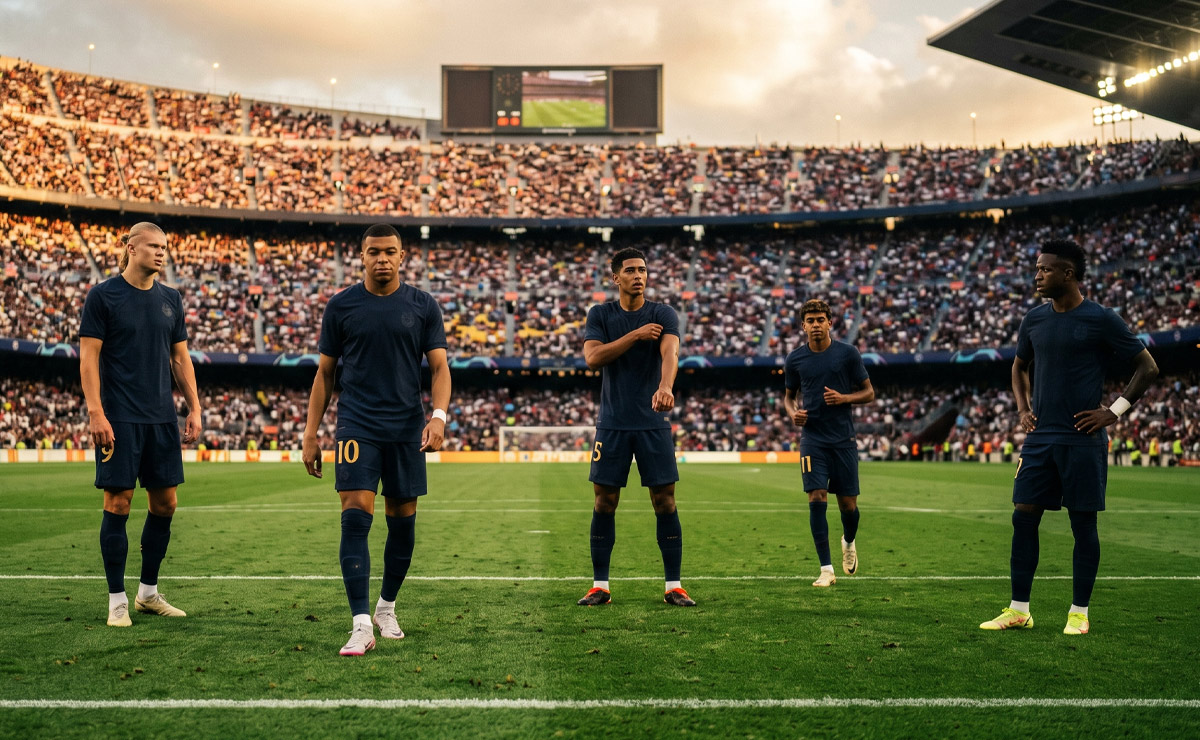
Five years ago, the debate about the best player in the world still circled back to two names. In 2026, that conversation has cracked open. Vinícius Júnior, Lamine Yamal, Kylian Mbappé, Erling Haaland and Jude Bellingham have all staked legitimate claims at club level, yet none of them has yet answered the question that only the FIFA World Cup can ask.
Vinícius Júnior and the case for Brazil's talisman
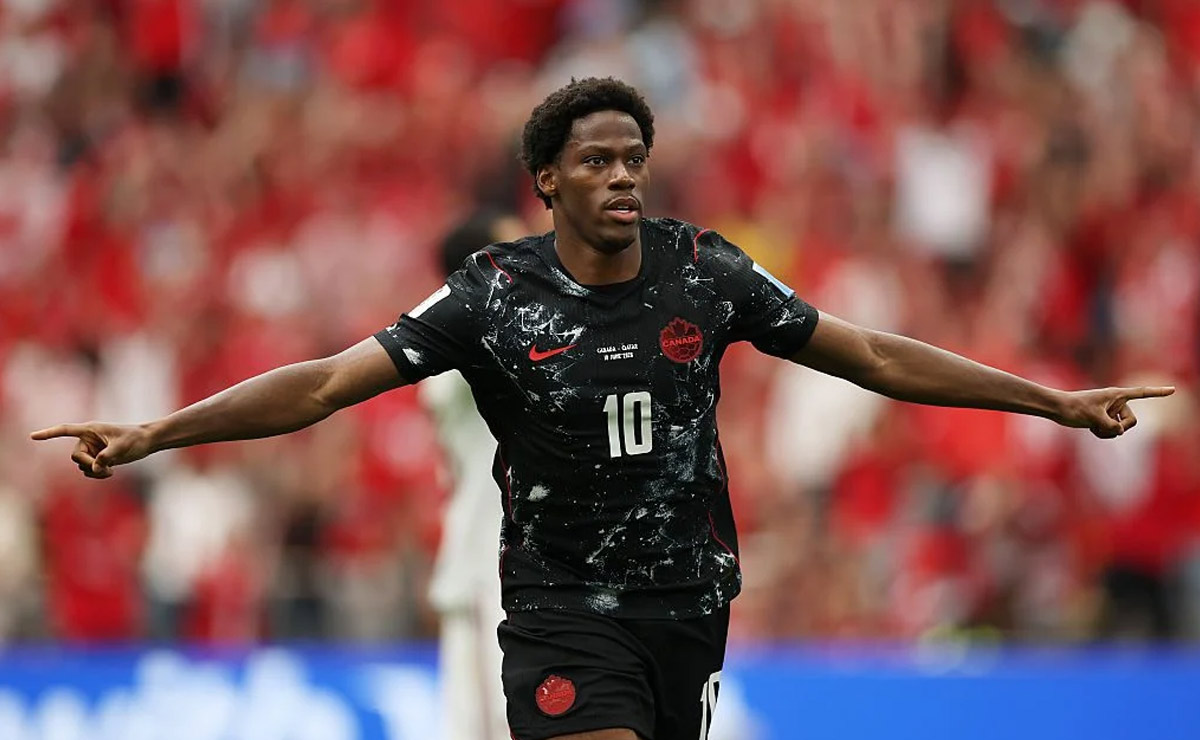
Vinícius Júnior arrives at this tournament as perhaps the most electric attacking player on the planet. His seasons at Real Madrid have been defined by moments of devastating speed and invention, and the Ballon d'Or conversation has followed him closely for two years running. What has been missing is the international stage to match it.
Brazil last won the World Cup in 2002, and the weight of that drought sits heavily on every squad that pulls on the yellow shirt. Vinícius carries more of that expectation than anyone. He is the player his country has built its tournament hopes around, and rightly so.
A strong 2026 would do something no club trophy can replicate. It would place him in the lineage of Brazilian greats who defined themselves at a World Cup, not just a Champions League final. That is the distinction that still separates good from immortal in the history of this game.
Lamine Yamal and the youngest generation
Lamine Yamal turned 17 during Euro 2024 and still produced one of the great individual performances of that tournament. He arrives at 2026 still only 18 years old, which makes what he has already achieved feel slightly unreal. For most players, a first World Cup is about learning. For Yamal, it may already be about winning.
Spain come into this tournament as genuine favourites, built on a foundation of technical brilliance that stretches from midfield through to the final third. Yamal is the sharpest edge of that attack, the player most likely to produce something that no opponent can prepare for.
The expansion to 48 teams adds more matches and more variety of opposition, which may suit a player of his gifts particularly well. A teenager lighting up a World Cup is not without precedent, but it remains among the rarest things the game produces.
Mbappé, Bellingham and the European contenders
Kylian Mbappé already has a World Cup winner's medal from 2018 and a runners-up finish from 2022, when he was also the tournament's top scorer. That record alone would define most careers. Yet his club form has been uneven enough in recent seasons that questions about consistency have followed him into the summer.
Jude Bellingham represents something different. He is the first English player in a generation who feels genuinely indispensable to his national team rather than merely important. Real Madrid have given him the platform to become a complete midfielder, and England will ask him to carry that form into the knockout rounds.
European players have won the Golden Ball at each of the last three World Cups. Whether that pattern reflects genuine dominance or simply the strength of UEFA's representation in each tournament is a question worth sitting with as 2026 approaches.
What the World Cup demands that club football does not
Club football rewards consistency across nine months. The World Cup rewards something harder to name. It is a competition built on single elimination, national pressure and the kind of stakes that strip a player down to what they actually are when there is no second match to correct a mistake. The all-time records this tournament has produced reflect that logic in every line.
The players who won the World Cup and the individual awards
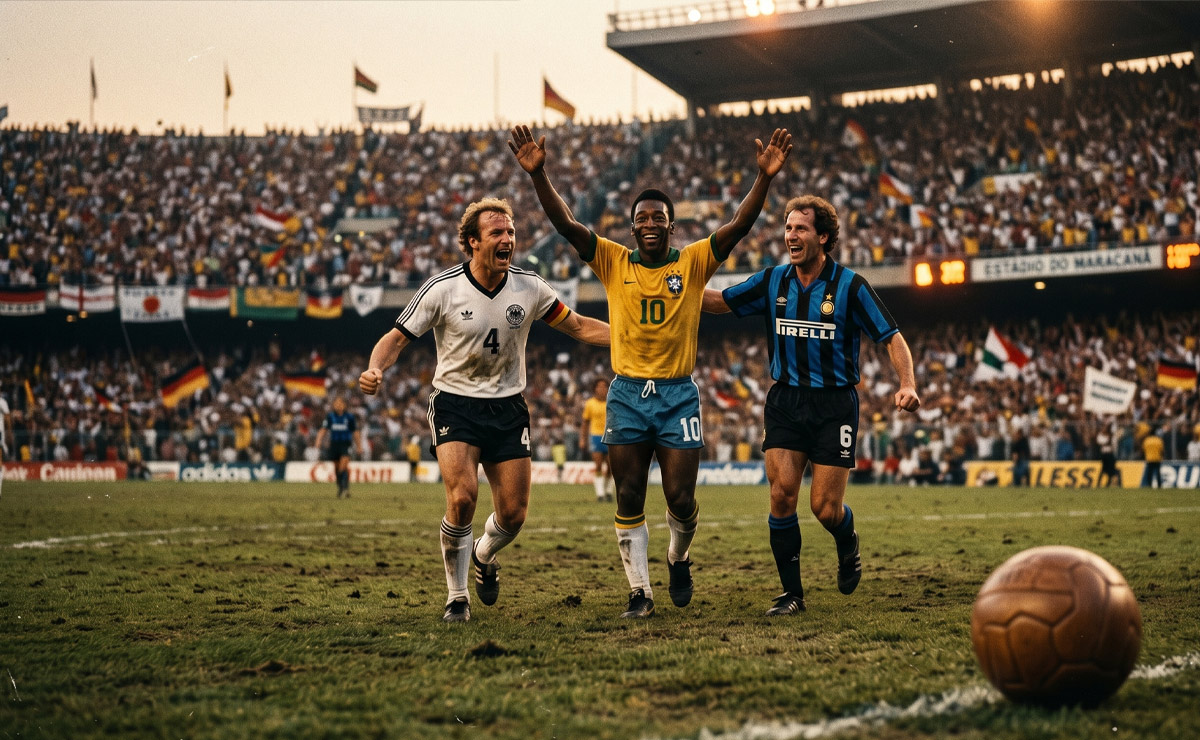
The list of players who were considered the best in the world and also won the trophy is shorter than most fans assume. Ronaldo Nazário in 2002, Zinedine Zidane in 1998, Romário in 1994, Diego Maradona in 1986. Four names across four decades. Each of them arrived as the finest player of their generation and left with the one thing that confirmed it.
What that list really tells us is how rarely individual brilliance and collective triumph land in the same place at the same time. The table below maps the Golden Ball winners against the tournament result their team achieved, and the pattern is striking.
| Tournament | Golden Ball winner | Nation | Team result |
|---|---|---|---|
| 1986 | Diego Maradona | Argentina | Champions |
| 1990 | Salvatore Schillaci | Italy | Third place |
| 1994 | Romário | Brazil | Champions |
| 1998 | Ronaldo | Brazil | Runners-up |
| 2002 | Oliver Kahn | Germany | Runners-up |
| 2006 | Zinedine Zidane | France | Runners-up |
| 2010 | Diego Forlán | Uruguay | Fourth place |
| 2014 | Lionel Messi | Argentina | Runners-up |
| 2018 | Luka Modrić | Croatia | Runners-up |
| 2022 | Lionel Messi | Argentina | Champions |
Players who were the best in the world but fell short
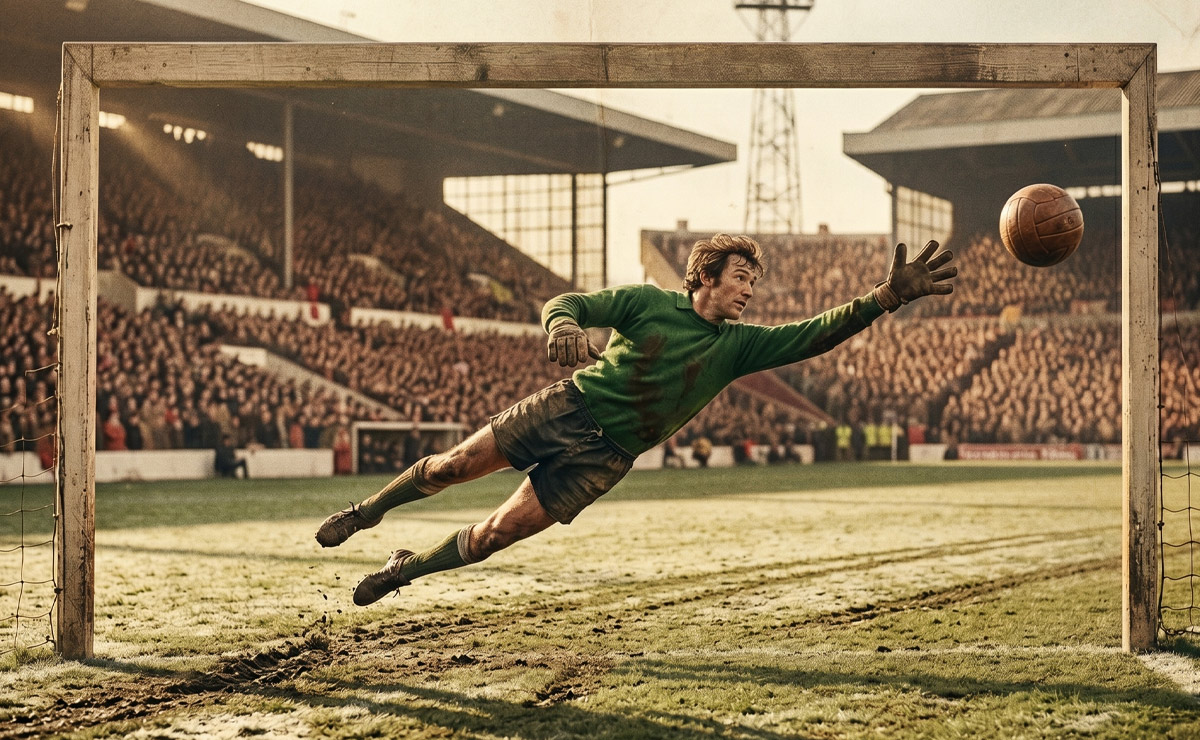
Johan Cruyff never won a World Cup. He was the most influential footballer of his era, the architect of a Dutch side that redefined how the game could be played, and he left the 1974 final on the losing side. That absence from the list of champions has never diminished what he was, but it has always lingered in the conversation about what the tournament requires beyond individual genius.
Messi spent fifteen years carrying the weight of that same question before Qatar answered it in 2022. Ronaldo Nazário arrived at 2006 as a two-time World Cup winner and the greatest striker the game had seen, and left in the round of eight with his powers visibly fading. The World Cup does not pause for anyone. It simply records what happened when it mattered most.
Messi, Ronaldo and the last chapter of a rivalry
Lionel Messi and Cristiano Ronaldo have defined the central argument in football for nearly two decades. In 2026, both of them will be present, but neither arrives as the best player in the world in the way they once were. They arrive as something more complicated than that. They arrive as history, still moving.
Messi found his closure in Qatar 2022, lifting the trophy that had eluded him across four previous tournaments. Ronaldo has not found his yet. At 41, he remains in the Portugal squad, still competing, still seeking the one result that would add a final word to a career that needs no addition. Whether 2026 gives him that moment or simply closes the door is one of the quieter dramas running beneath the noise of the tournament.
What 2026 will settle and what it will not
The debate about who is the best soccer player in 2026 will not be resolved by a single tournament, but it will be shaped by one. A player who dominates the knockout rounds, who produces decisive performances when his country cannot afford anything less, earns a different kind of recognition than any club season can provide. That is the logic the World Cup has always operated on.
Vinícius Júnior or Lamine Yamal lifting the trophy in July would not automatically place either of them above Messi or Ronaldo in the historical record. The careers of those two are already fixed in the imagination of the game. But it would begin a conversation that the next decade would carry forward.
What 2026 will settle is something more immediate. It will tell us which of the new generation is built for this specific kind of pressure. Club football produces champions every season. The World Cup produces them once every four years, and only one nation walks away with the answer.
The history of this tournament is filled with players who were brilliant and fell short, and players who were not expected to define an era and went on to do exactly that. Salvatore Schillaci won the Golden Boot in 1990 as Italy reached the semi-finals. Diego Forlán was the best player of a tournament in 2010 that Uruguay finished fourth. The World Cup has always written its own list, independent of whoever arrived as favourite.
The best soccer player in 2026 across all of World Cup history
Asking who is the best soccer player in 2026 is really asking a question with two timeframes. There is the present argument, built on club form and individual awards and the anticipation of a summer tournament. And then there is the longer frame, the one the full World Cup archive holds, stretching from Uruguay in 1930 to Qatar in 2022, across every era in which football has tried to answer the same question and arrived at a different name each time.
What that history shows is that the definition of best has never been fixed. Maradona in 1986 was a force of individual will carrying a nation. Zidane in 2006 was an aging genius producing one final act of brilliance before it ended in a way nobody wanted. Messi in 2022 was the culmination of a story the whole sport had been waiting to finish. Each of them was the best player of their tournament in a way that belonged entirely to that moment, and to no other. Whoever emerges from 2026 will join that list on its own terms, measured not against what they did at their club, but against what they did when the margin for error was gone.

Carlos Ramón
Football historian and editorial director of Historical Soccer. Specialist in World Cup history, classic tactics, and iconic matches.